Early Life and Background
Lekshmanan K. was born and raised in the culturally rich state of Kerala, India. While specific details regarding his birth date remain private, his upbringing in a region known for its vibrant arts, literature, and social consciousness deeply influenced his worldview. From a young age, he exhibited a strong sensitivity towards the struggles of marginalized communities, particularly artists and elderly individuals who often lacked institutional support. Growing up in Thiruvananthapuram, he was exposed to the flourishing Malayalam film industry and traditional performing arts, which instilled in him a passion for cinema not merely as entertainment but as a tool for social change. His early experiences witnessing poverty, neglect of senior citizens, and the lack of educational opportunities for children of artists laid the emotional foundation for his future endeavors. Friends and associates recall him as a compassionate and determined individual who would often volunteer for local charity events, help organize cultural programs, and mobilize youth for tree plantation drives. These formative years cultivated his vision of a society where art and humanity coexist, and where every individual, regardless of their economic background, can lead a dignified life.
Education and Formative Influences
Lekshmanan pursued his education in Kerala, although his academic journey was marked by an unconventional blend of interests. While he received formal schooling in Thiruvananthapuram, he simultaneously engaged in self-directed learning about filmmaking, social work, and community development. His multidisciplinary inclinations led him to study aspects of business management, media production, and non-profit administration through various short courses and workshops. The lack of a singular academic track is compensated by his hands-on experience and deep-rooted understanding of grassroots challenges. He was particularly influenced by the teachings of social reformers and filmmakers who used art as a medium for advocacy. The concept of “parallel cinema” in India, which focused on realistic and socially relevant narratives, shaped his belief that movies could be more than escapist fantasy—they could illuminate pressing issues such as poverty, gender inequality, and environmental degradation. This intellectual foundation later became the cornerstone of Acharya Film Society’s dual mission: cultural elevation and social welfare. He also studied the operational models of successful NGOs and charitable trusts, drawing lessons from their sustainability strategies, volunteer management, and community engagement techniques.
Founding of Acharya Film Society
In the pursuit of translating his ideals into action, Lekshmanan K., alongside his dedicated associate Ratheesh K., established the Acharya Film Society. The society was conceived as a multifaceted charitable organization with a cinematic soul. Registration details remain within the official records of Kerala, but the trust was officially formed to serve two overarching purposes: to provide a safety net for artists and their families, and to promote environmental sustainability through community-driven initiatives. The name "Acharya," meaning teacher or guide in Sanskrit, reflected their aspiration to guide society towards enlightenment and compassion. The initial years were challenging, with limited funding and a need to build trust within both the artistic community and local populations. However, Lekshmanan’s relentless commitment and Ratheesh’s collaborative efforts began to yield results. They started by conducting free film screenings that highlighted social messages, which later evolved into full-fledged film production for public awareness. The society’s headquarters, symbolically located near Thiruvananthapuram, became a hub for brainstorming, volunteer training, and cultural events. Lekshmanan’s role as Founder and Executive Director involves overseeing all programs, from educational scholarships to large-scale environmental campaigns, ensuring alignment with the trust’s visionary blueprint.
Vision and Mission
Lekshmanan K.’s life’s work is encapsulated in the vision and mission statements of Acharya Film Society. The vision—to build a future where every child of an artist is educated, empowered, and equipped with skills for independence—guides every project the society undertakes. This is complemented by a profound belief that artists themselves are catalysts for sustainable progress. The mission is action-oriented: improving access to quality education and vocational training for artists and their children, fostering economic independence through skill-building, and promoting holistic development via health and social awareness. Lekshmanan often emphasizes that education is the most powerful weapon against poverty, and he integrates this principle by personally mentoring young scholars. The mission also extends to environmental stewardship, advocating for a greener planet as inseparable from human well-being. Under his leadership, the society has developed a framework that seamlessly connects cultural promotion with social work, ensuring that no beneficiary is excluded. His speeches and writings frequently highlight that empowering an artist not only uplifts a family but enriches the entire cultural fabric of the nation.
Empowering Artists and Their Children
One of the flagship areas of Lekshmanan K.’s activism is the comprehensive support system for artists from all domains—cinema, dance, music, folk arts, and theatre. Recognizing that many artists in India face financial instability, especially during off-seasons or in their later years, the Acharya Film Society offers a variety of assistance programs. These include direct financial aid, pension schemes for elderly artists, and educational scholarships for their children. Lekshmanan personally oversees the distribution of study materials and the arrangement of mentorship programs, often collaborating with schools and colleges to ensure that children from artist families do not drop out due to economic constraints. The society also organizes vocational training camps in areas such as digital media, film editing, and performing arts, thus opening up alternative livelihood options. By doing so, Lekshmanan ensures that the next generation is not forced to abandon their artistic heritage but can sustain it through modern skills. This initiative has drawn praise from local cultural academies and has inspired similar models in neighboring districts.
Elderly Care and Senior Citizen Support
Caring for the elderly forms another pillar of Lekshmanan’s social work. He has repeatedly stressed that a society’s moral compass is measured by how it treats its senior citizens. The Acharya Film Society runs dedicated senior citizen programs that provide companionship, healthcare, and financial aid. Regular home visits are conducted by volunteers to combat loneliness, and monthly community gatherings are organized where elderly members engage in cultural activities—singing, storytelling, and film screenings. Lekshmanan personally interacts with many of the beneficiaries, listening to their stories and ensuring their grievances are addressed. The society also facilitates access to government welfare schemes they may not be aware of. During festive seasons, special events and gift distributions are carried out to bring cheer. This interpersonal approach has created a strong emotional bond between the trust and the elderly population, many of whom see Lekshmanan as a son figure. The initiative recognizes that elderly artists, in particular, who once enriched the culture, should spend their twilight years in dignity and respect.
Healthcare and Medical Camps
Addressing the healthcare needs of underserved populations is a critical component of Lekshmanan K.’s mission. Acharya Film Society organizes free medical camps at regular intervals, targeting both elderly citizens and impoverished families. These camps offer general health check-ups, eye examinations, dental care, and distribution of essential medicines. The society collaborates with local doctors and healthcare professionals who volunteer their services. Lekshmanan believes that prevention is better than cure; hence, the camps are often coupled with awareness sessions on nutrition, hygiene, and chronic diseases like diabetes and cancer. Special emphasis is given to women’s health, with camps focusing on maternal care and breast cancer screening. During the COVID-19 pandemic, the society, under his leadership, stepped up to distribute masks, sanitizers, and food kits to daily-wage artists who had lost their income. This responsive action cemented the trust’s reputation as a reliable community pillar. Lekshmanan’s hands-on approach—often seen carrying medicine packets himself—resonates with the public, making the health camps well-attended and highly effective.
Environmental Conservation and Tree Plantation
Lekshmanan K.’s commitment to sustainability translates into tangible environmental initiatives. Under the banner of Acharya Film Society, massive tree plantation drives are conducted annually, involving school students, local residents, and artists. The goal is not only to increase green cover but to instill environmental consciousness in the younger generation. He often cites that artists, who draw inspiration from nature, must be its foremost protectors. The drives are strategically planned in deforested areas, along roadsides, and in institutional campuses. Post-plantation care is ensured through follow-up visits. Additionally, the society conducts workshops on waste management, plastic reduction, and organic farming. Lekshmanan advocates for eco-friendly film production practices, encouraging film sets to minimize waste and use renewable energy sources. These efforts have been recognized by local environmental groups, and the society has received certificates of appreciation from civic bodies. He envisions a Kerala where every artist’s household has a kitchen garden and every child plants a tree on their birthday.
Film Production and Media for Social Change
A unique aspect of Lekshmanan K.’s profile is his direct involvement in film production as a means of advocacy. Acharya Film Society actively produces short films, documentaries, music albums, and even commercial feature films that carry strong social messages. Topics range from cancer prevention and women’s rights to environmental conservation and cultural preservation. These films are screened in schools, community halls, and online platforms, garnering wide outreach. Lekshmanan, drawing from his filmmaking knowledge, often scripts or co-directs these projects, ensuring the message is accessible yet powerful. The society’s foray into commercial cinema is also notable, as it generates revenue that is reinvested into welfare programs—a sustainable funding model he pioneered. By blending entertainment with education, he has successfully reached demographics that conventional awareness campaigns fail to engage. The music albums, often rooted in folk traditions, further spread the society’s ideology. This media-centric approach differentiates Acharya Film Society from typical NGOs and resonates deeply with Kerala’s cinephilic population.
Business Activities and Self-Sustainability
Understanding that dependence on donations alone is unsustainable, Lekshmanan K. established small-scale business ventures under the society’s umbrella. These include a dance school offering classes in classical and contemporary forms, manufacturing units producing handicrafts and eco-friendly products, and services like loan consolidation and educational consultancy. The dance school not only preserves traditional art forms but also creates employment for artists. The manufacturing units provide vocational training and jobs to unemployed youth and women, with profits channeled back into the trust’s charitable activities. The educational consultancy helps students secure scholarships and admissions, furthering the mission of accessible education. Lekshmanan’s entrepreneurial acumen ensures that the society remains financially stable while expanding its welfare portfolio. He is often invited to speak on the importance of social entrepreneurship, emphasizing that charitable organizations must think innovatively to avoid donor fatigue. These businesses are run on ethical lines, with fair wages and environmental considerations, reflecting his integrated philosophy.
Awareness Programs and Community Outreach
Lekshmanan K. places great importance on preventive education. The Acharya Film Society conducts regular awareness classes on pressing issues like cancer screening, menstrual health, domestic violence, and legal rights for women. These sessions are held in remote villages where knowledge gaps are acute. Expert speakers, including doctors, lawyers, and activists, are invited. The society also organizes workshops on mental health, a topic often stigmatized. To reach a broader audience, street plays and flash mobs with social themes are performed by volunteer artists trained by the trust. The outreach extends to disaster relief as well; during floods in Kerala, the society mobilized resources and volunteers for rescue and rehabilitation. Lekshmanan’s leadership during such crises has been lauded by local media. The society also advocates for gender equality by running women empowerment programs, offering skill training in tailoring, handicrafts, and digital literacy. These efforts are designed to make communities self-reliant and informed.
Sports and Youth Development
Recognizing that physical fitness is integral to overall well-being, Lekshmanan’s organization promotes sports among underprivileged youth. The society organizes local tournaments in football, cricket, and athletics, providing kits and coaching. These platforms are used to identify talent and channel youngsters away from negative influences. Sports events are often combined with career guidance sessions and motivational talks. By linking sports to community empowerment, Lekshmanan reinforces the importance of teamwork, discipline, and perseverance—qualities that are essential for personal and professional growth. The society also supports physically challenged athletes, providing them with assistive devices and training. His vision encompasses a holistic development model where education, arts, and sports form a tripod for societal progress.
Awards and Recognition
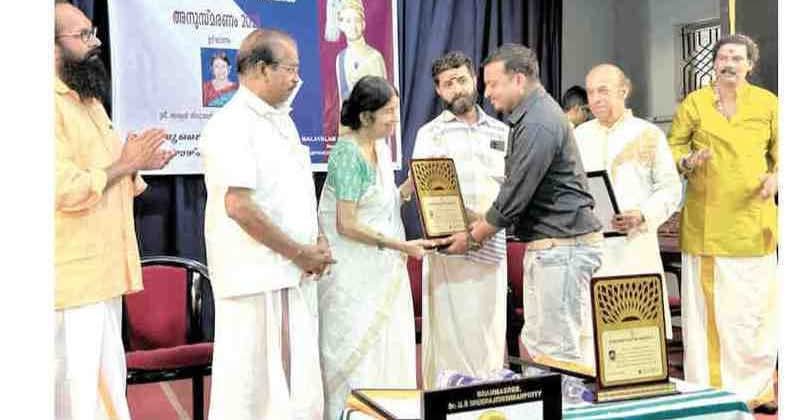
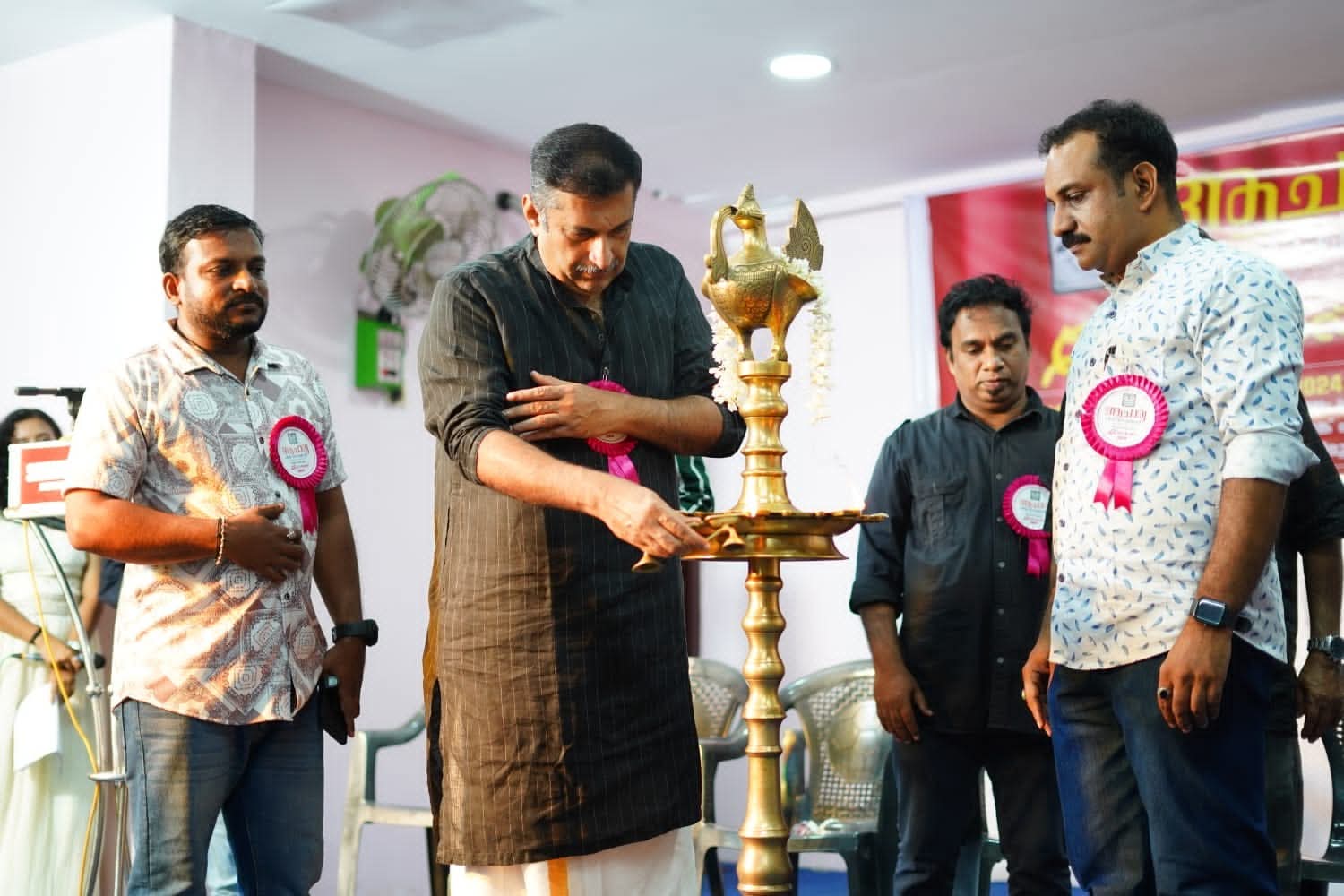
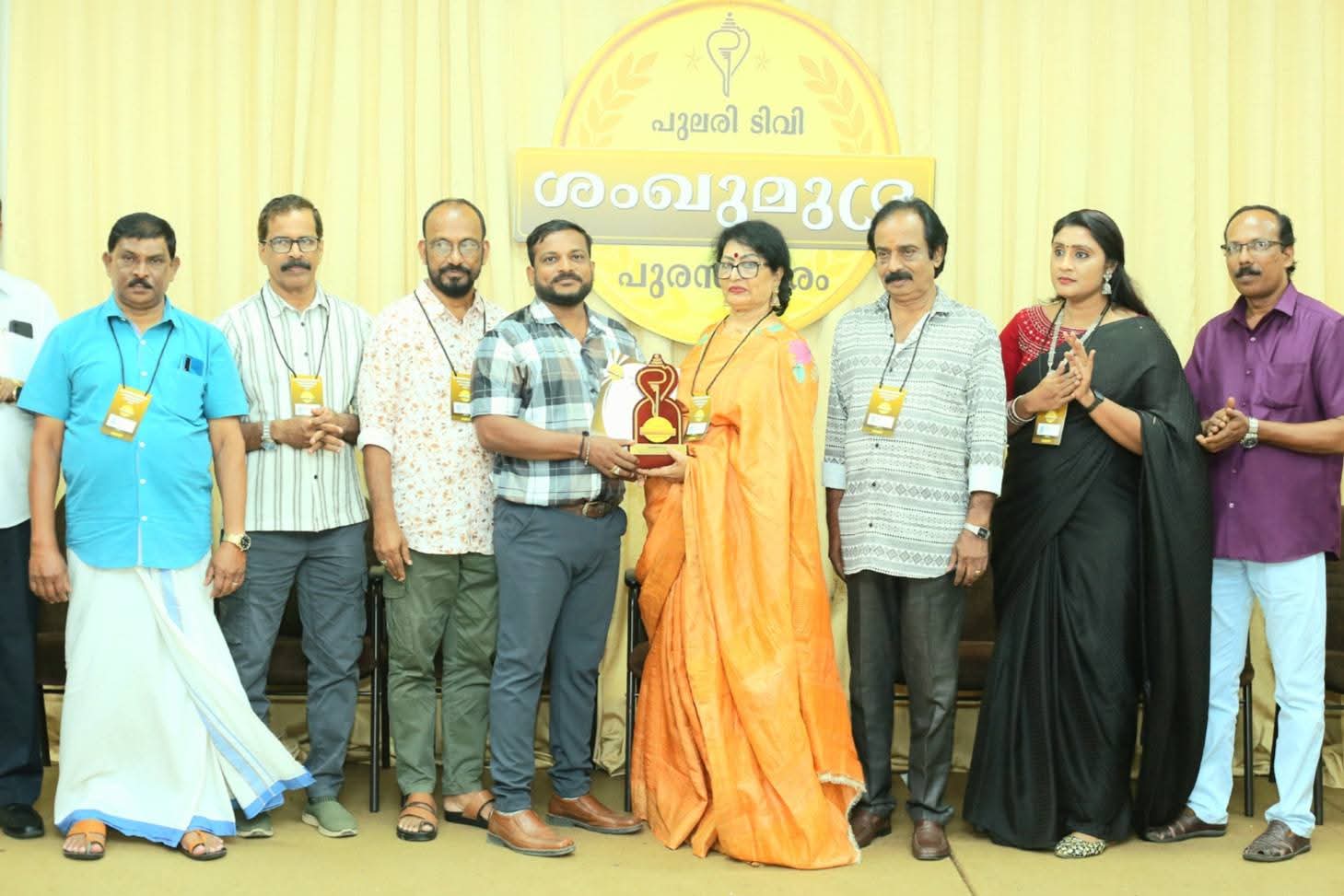
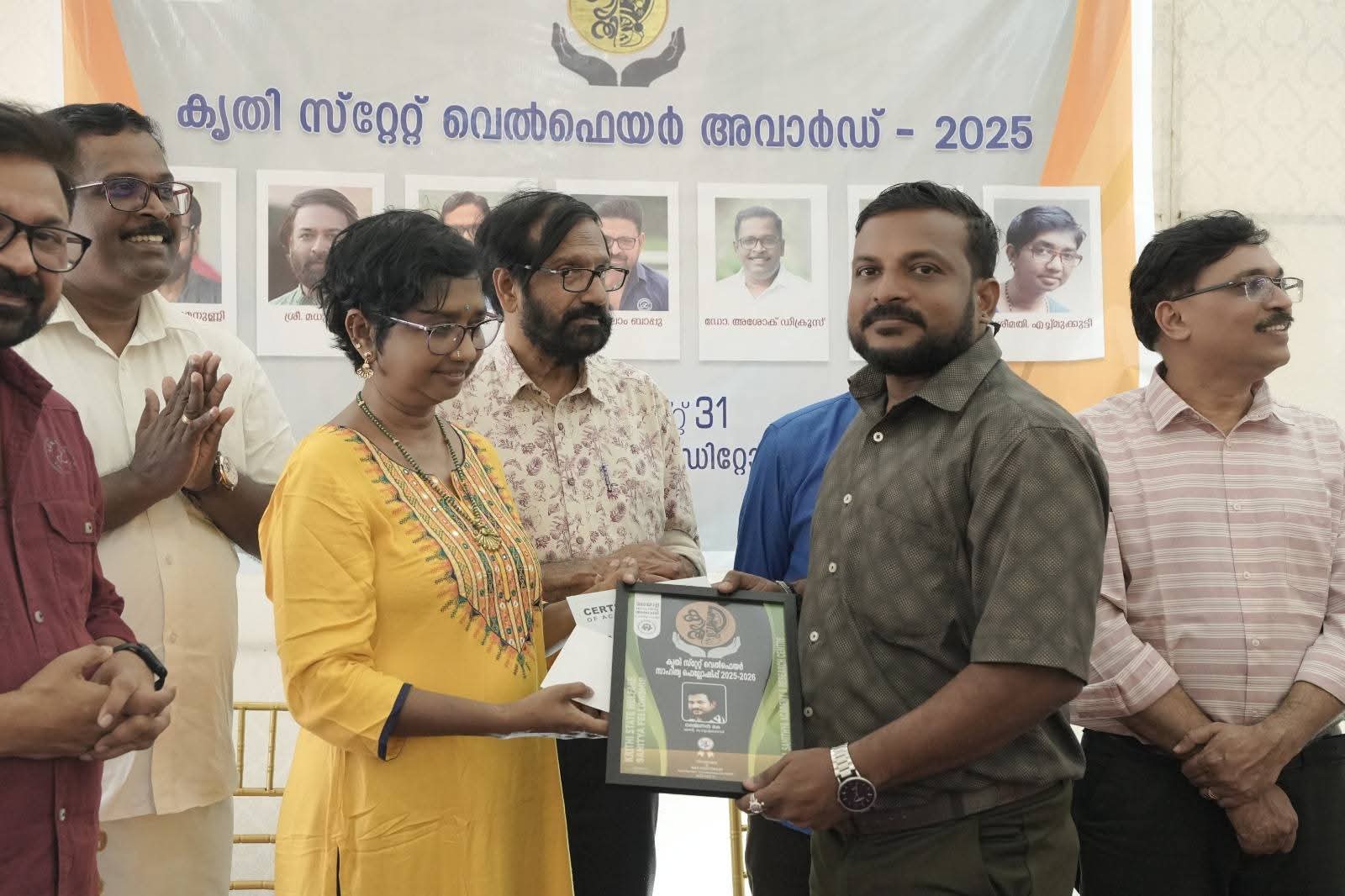
While Lekshmanan K. maintains a low profile regarding personal accolades, his organization has received numerous local commendations. Certificates from panchayats, district administrations, and cultural forums acknowledge the Acharya Film Society’s contributions to social welfare and environmental conservation. He has been felicitated at community events for his relentless service. Although the society does not actively pursue awards, these recognitions serve as a morale booster for the team. Lekshmanan attributes every success to the collective effort of volunteers and co-founders like Ratheesh K. He emphasizes that the true reward lies in the smiles of the beneficiaries and the educated children who go on to achieve their dreams. Nevertheless, his work is gradually gaining attention from regional media and social work networks, setting the stage for broader national recognition.
Personal Life and Philosophy
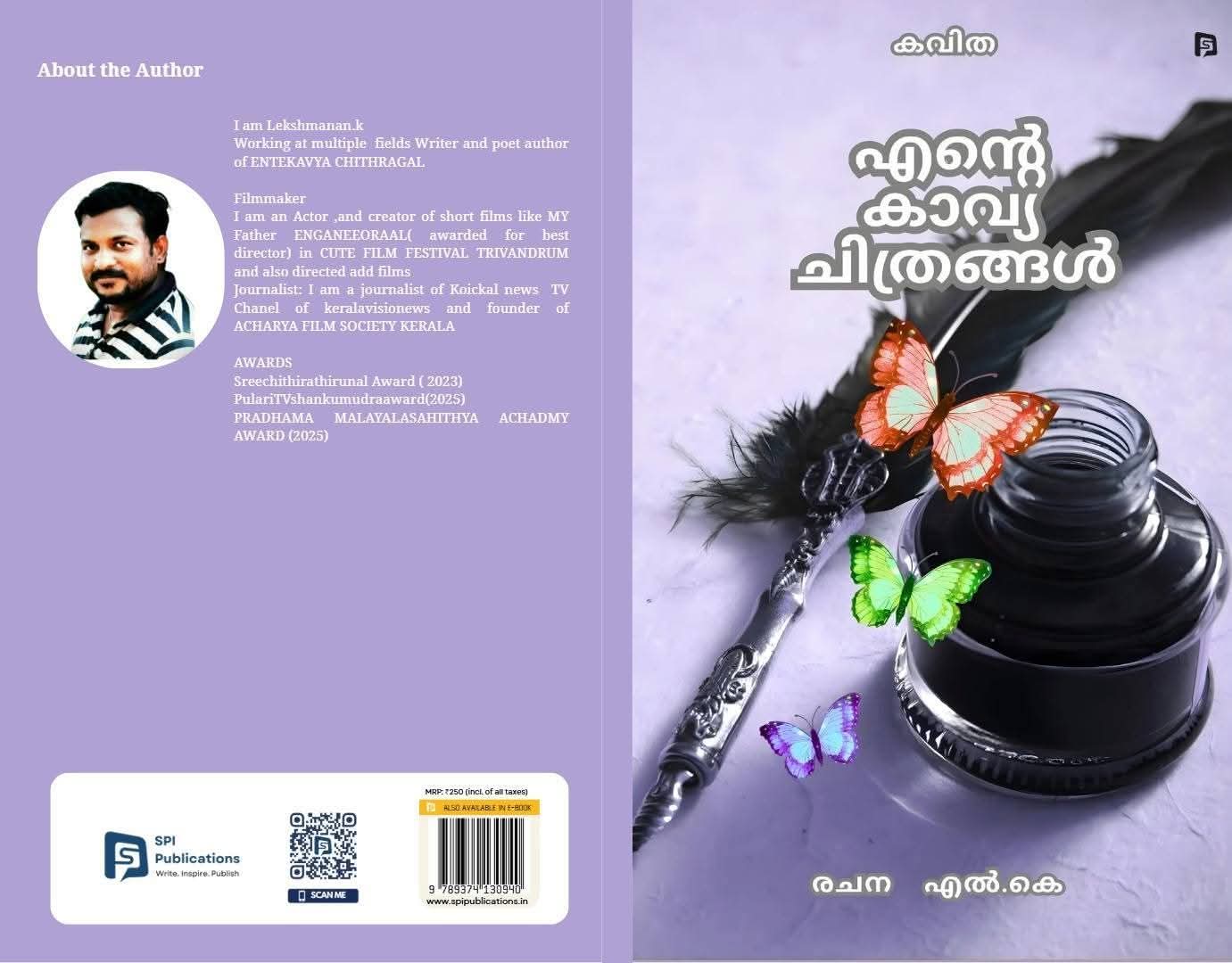
Lekshmanan K. leads a life of simplicity. He resides in Thiruvananthapuram at his family home, Sarathbhavan, in Mukkolakkal, Nedumangad. Despite his public role, he guards his privacy and keeps his family out of the limelight. Colleagues describe him as humble, approachable, and energetic, often working late into the night to plan initiatives. His spiritual inclination draws from Kerala’s syncretic traditions, promoting universal brotherhood. His philosophy is deeply rooted in the Sanskrit concept of “Seva” (selfless service) and the belief that art is divine. He mentors young activists, urging them to combine passion with practicality. In his rare leisure time, he writes poetry and watches world cinema, constantly seeking inspiration for his next social film project. His life is a testament to the idea that one person’s determination can ignite a movement that transforms communities.
Future Plans and Legacy
Looking ahead, Lekshmanan K. envisions scaling the Acharya Film Society into a nationwide network. Plans include establishing a residential school for artist’s children that integrates academic education with professional arts training. He also aims to launch a state-of-the-art medical center for geriatric care, accessible free of cost to elderly artists. Environmentally, he intends to expand reforestation projects to cover thousands of acres and promote sustainable filmmaking practices across India. Digitally, the society is building a comprehensive online platform to connect artists with opportunities globally. Lekshmanan is committed to grooming the next generation of leadership, ensuring the society’s continuity. His legacy is already taking shape in the countless lives transformed—a child who became a doctor, an elderly musician who now receives a pension, a film that opened minds about cancer. For Lekshmanan, the journey is a collaborative one, and his call “Join us in making a difference” is not just a slogan but an invitation to participate in a humane revolution.